

What is a Gemba Walk and How It Improves Shop Floor?
A Gemba Walk is a key practice in lean manufacturing and continuous improvement. The word “Gemba” means the real place, referring to the shop floor where work actually happens.
Instead of relying on reports or assumptions, Gemba Walks encourage leaders to:
- Observe processes directly
- Understand real challenges
- Identify opportunities for improvement
Manufacturers use Gemba Walks to streamline workflow, minimize errors, and foster a culture of continuous improvement making sure every process is seen, understood, and improved where it matters most.
Why Gemba Walk is Important?
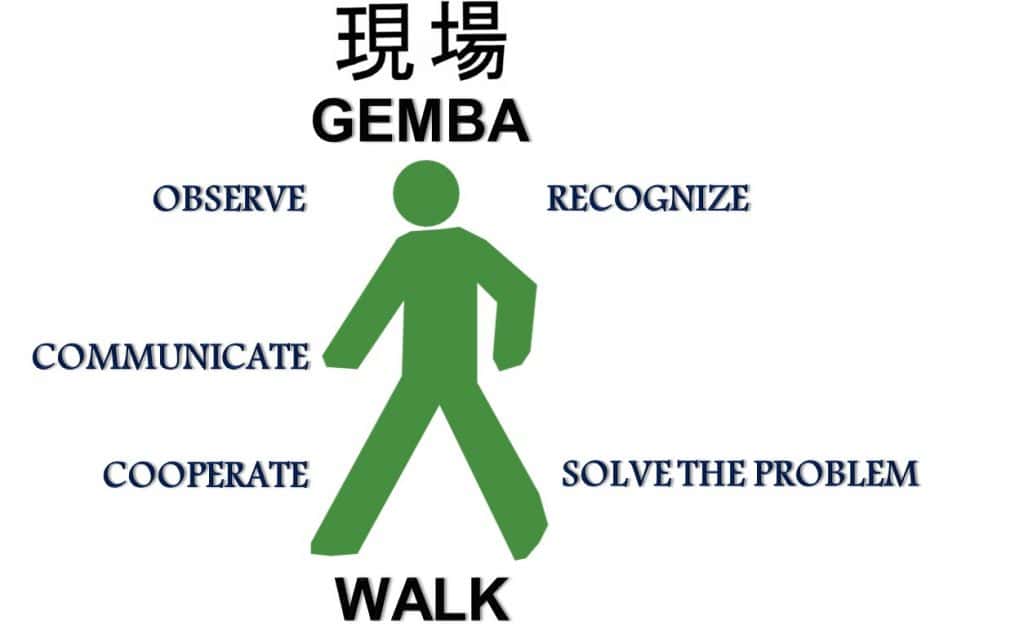
Gemba Walks help bridge the gap between management and shop-floor operations. When leaders spend time at the workplace, they gain a clearer understanding of how processes truly function. This leads to better decision-making, improved communication, and more practical solutions.
By observing work as it happens, organizations can identify inefficiencies such as unnecessary movement, waiting time, poor material flow, and safety risks that may not be visible from an office environment.
Key Steps to an Effective Gemba Walk
Why is it Works?
1. Increase Productivity
- Identify bottlenecks and inefficiencies on the shop floor.
- Ensure resources are used effectively, so teams can focus on high-value tasks
2. Reduce Waste
- Spot unnecessary steps, overproduction, or idle time.
- Encourage process improvements that save materials, time, and effort.
3. Improve Team Engagement
- Involve staff in problem-solving and decision-making.
- Foster collaboration and ownership of processes.
4. Enhance Safety and Compliance
- Identify hazards or unsafe pratices.
- Promote a safer, more organized work environment.
5. Align Teams Around Continuous Improvement
- Create a shared understanding of challenges and goals.
- Encourage a culture where improvement is ongoing, not occasional.
Applying Gemba Walk Insights to Real Solutions
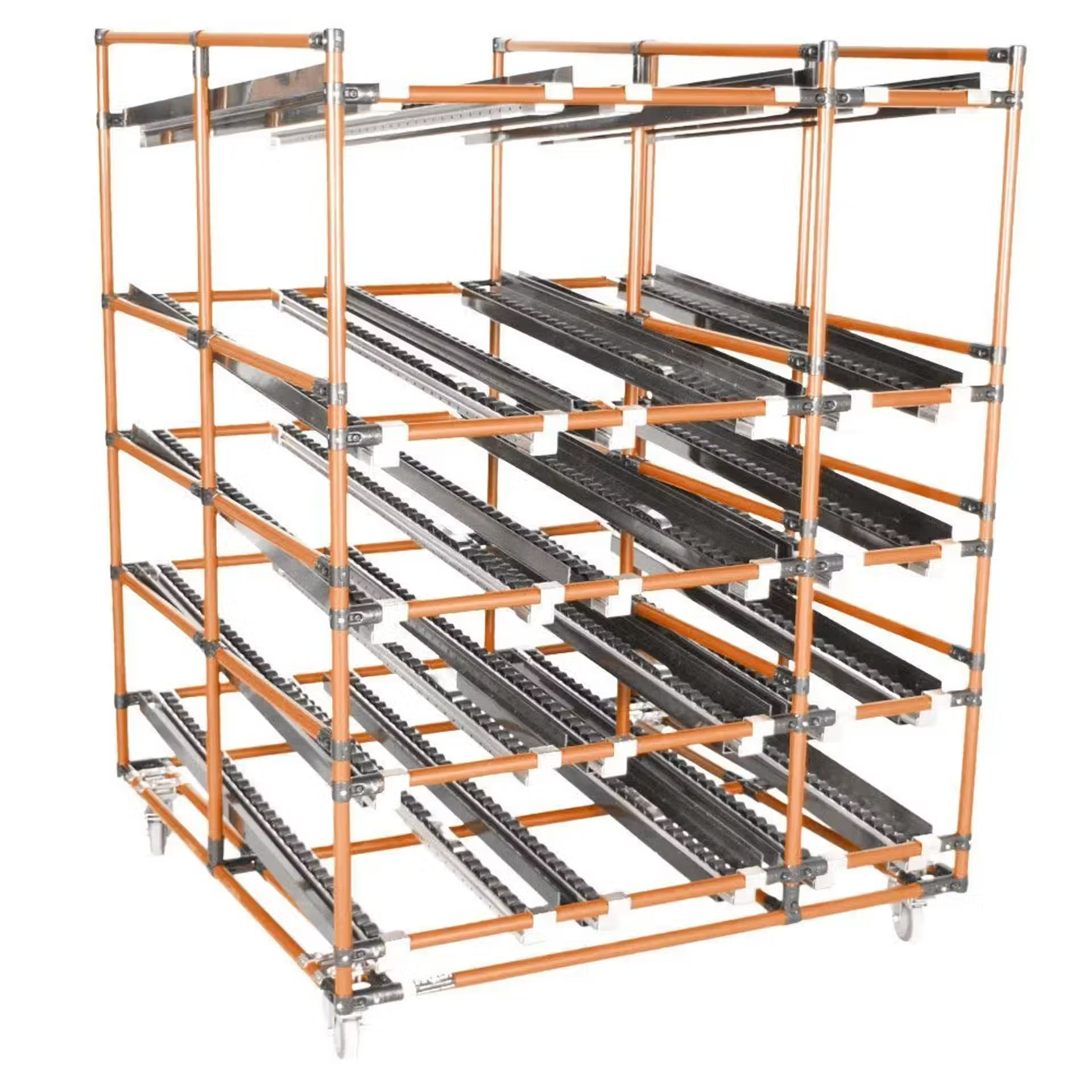
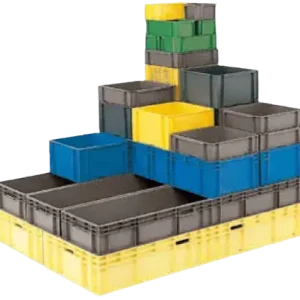
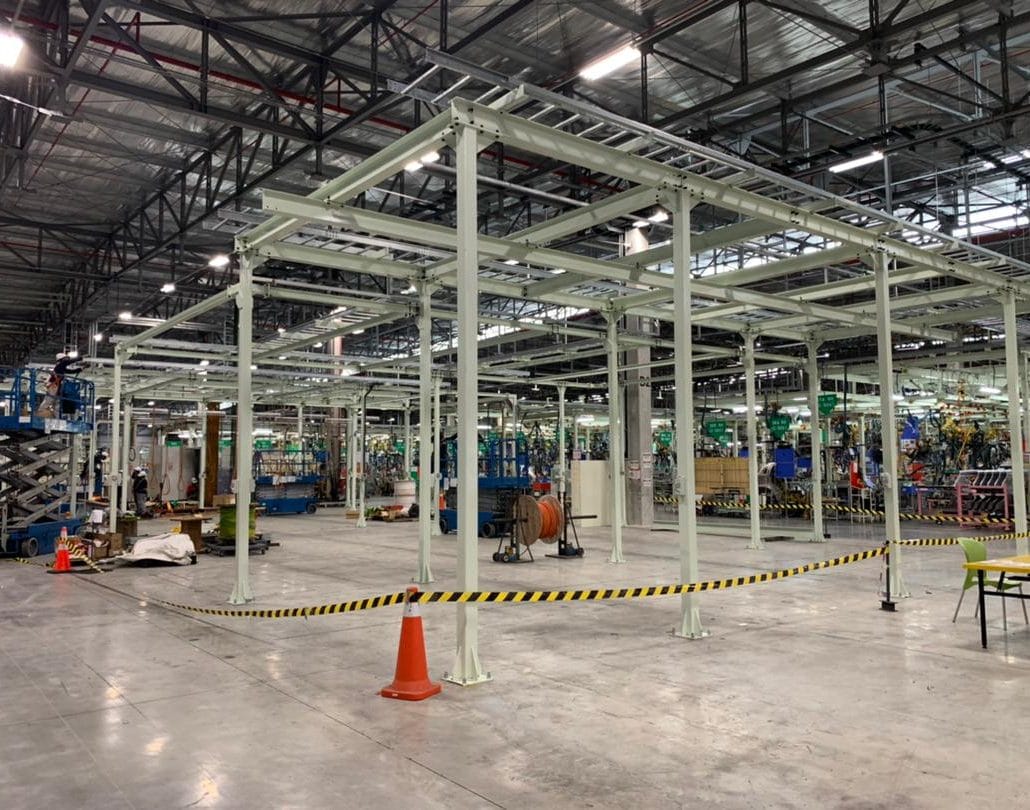
At our company, we apply Gemba Walk principles to understand real shop-floor challenges before proposing solutions. These insights guide the design and implementation of pipe racking systems, custom fabrication, and polyboxes that improve material flow, space utilization, safety, and efficiency.
By observing how people perform their work, we ensure our solutions support daily operations and long-term continuous improvement..

Conclusion
Gemba Walks reinforce the importance of understanding real shop floor conditions before making improvement decisions. By observing processes directly, organizations gain clearer insight into workflow challenges, safety risks, and inefficiencies that are often missed in reports or meetings. This approach supports continuous improvement by aligning solutions with actual operational needs.
Through Gemba-based observation, practical improvements can be made to material flow, space utilization, and workplace safety. Whether it involves engineering design, fabrication, pipe racking systems, or polyboxes, solutions developed from real observations are more effective, sustainable, and easier to implement.
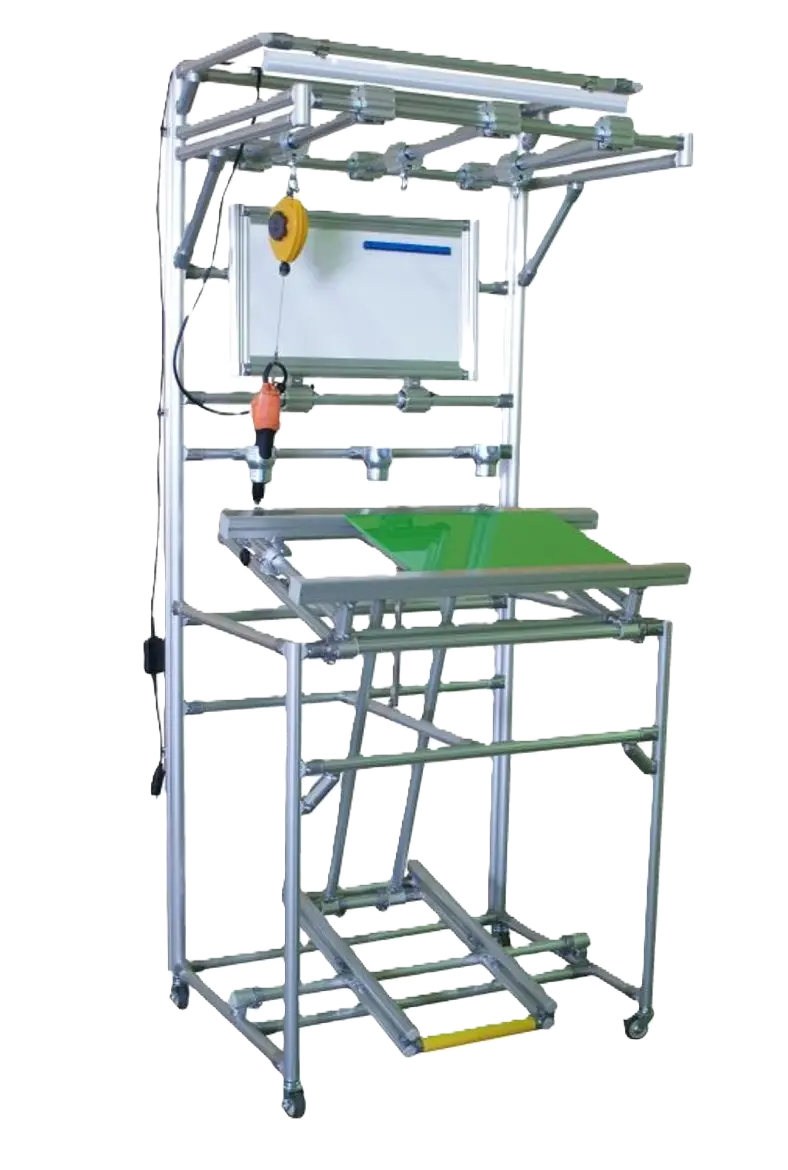
![Aluminium Work Station by our Aluminium Pipe Racking System]()
How to Select the Best Industrial Work Surface for Workstations and Modular Structures
![]()
Poka-Yoke Usage and Its Application to Error-Free Product Assembly.
-
7-Step Gemba Walk to Reduce Manufacturing Waste
-
HAPPY CHINESE NEW YEAR