Home » News Page » News » Kanban Inventory System Explained for Warehouse Operations

Kanban Inventory System Explained for Warehouse Operations
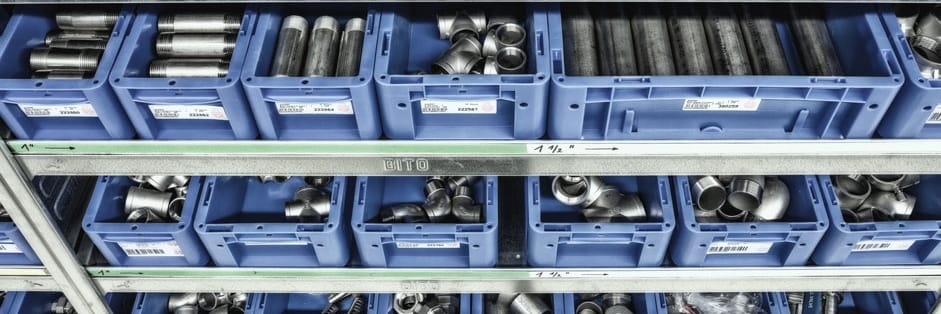
kanban inventory bins warehouse –

Introduction to the Kanban Inventory System

The Kanban inventory system is a visual inventory control method designed to regulate stock levels and improve workflow efficiency in warehouse operations. Originally developed as part of lean manufacturing, Kanban helps warehouses respond to real demand rather than forecasts.

By using visual signals, Kanban ensures inventory is replenished only when required, reducing excess stock and operational waste.

What is a Kanban Inventory System?
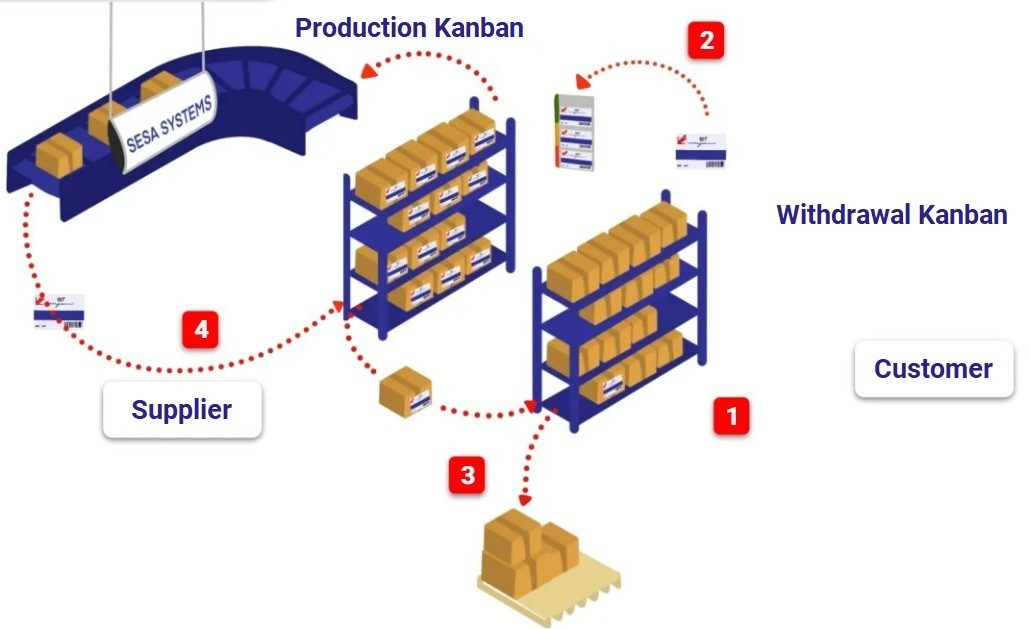
A Kanban inventory system is a pull-based method where replenishment is triggered by demand signals such as cards, bins, or digital alerts. Instead of pushing inventory into storage, Kanban allows stock to flow based on actual consumption.

  • Visual control of inventory
  • Limited stock quantities
  • Continuous replenishment cycles
  • Reduced overproduction


How the Kanban System Works in a Warehouse

  1. Stock reaches a predefined minimm level.
  2. Visually can see the stock.
  3. Replenishment i initiated from storage or supplier.
  4. Inventory levels return to optimal range.
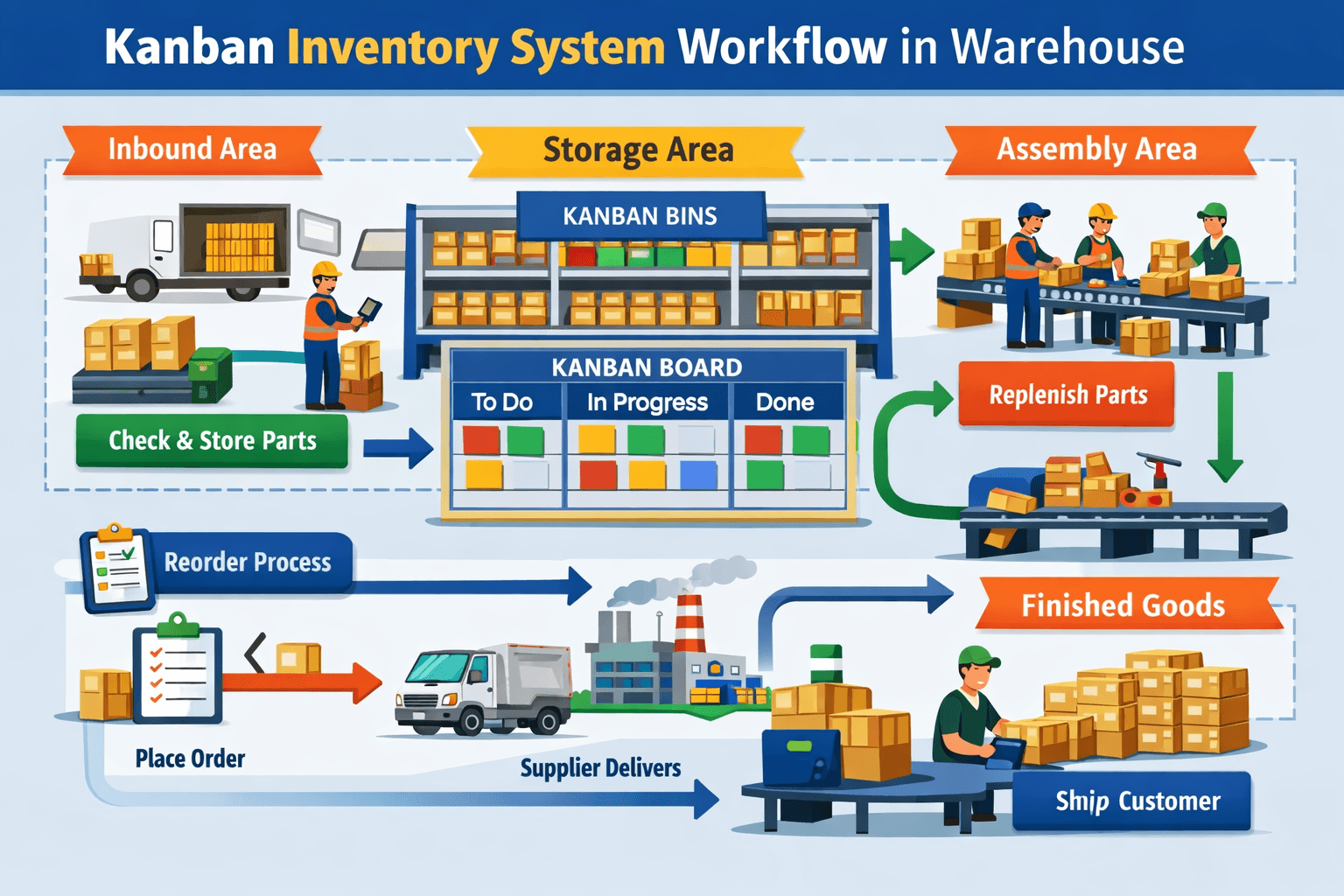
– Kanban inventory system workflow in the warehouse –

Benefits of Kanban Inventory Management

Implementing Kanban in warehouse operations provides several advantages:

Prevents overstocking and stock shortages

Improves visibility of inventory levels

Reduces storage space requirements and uses

Enchances the workflow efficieny right away

Supports lean warehouse operations without issue

Kanban vs FIFO – How They Work Together
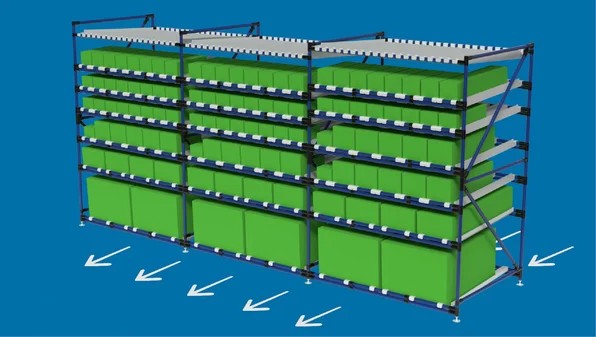
Kanban and FIFO serve different but complementary purposes:

  • FIFO (First in, First Out) controls the physical movement of inventory
  • Kanban controls when replenishment should occur
  • Together, they create a balanced and efficient inventory flow

Storage Systems That Support Kanban

Kanban inventory systems work best with organized and visible storage solutions, including:

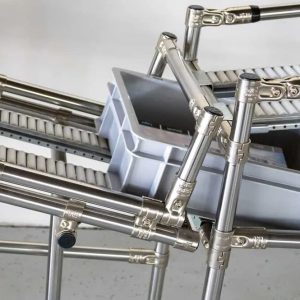
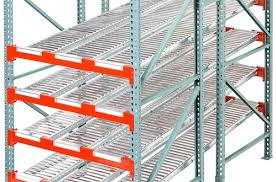
  • Gravity flow racking systems
  • Carton flow racking systems
  • Pallet flow racks
  • Polybox (plastic container) and bin systems
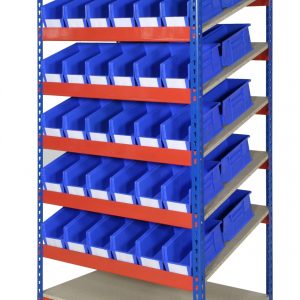
These systems allow warehouse staff to quickly identify stock levels and respond to Kanban signals efficiently.

Industries That Use Kanban Inventory Systems

Kanban is widely adopted across various industries, including:


Need Help Implementing Kanban in Your Warehouse?

We provide customized warehouse storage and inventory solutions designed to support Kanban inventory systems.

Our team can help you plan layouts, select the right storage systems, and optimize inventory flow based on your operational needs.

📞 Contact us today to discuss Kanban-ready warehouse solutions tailored to your business.

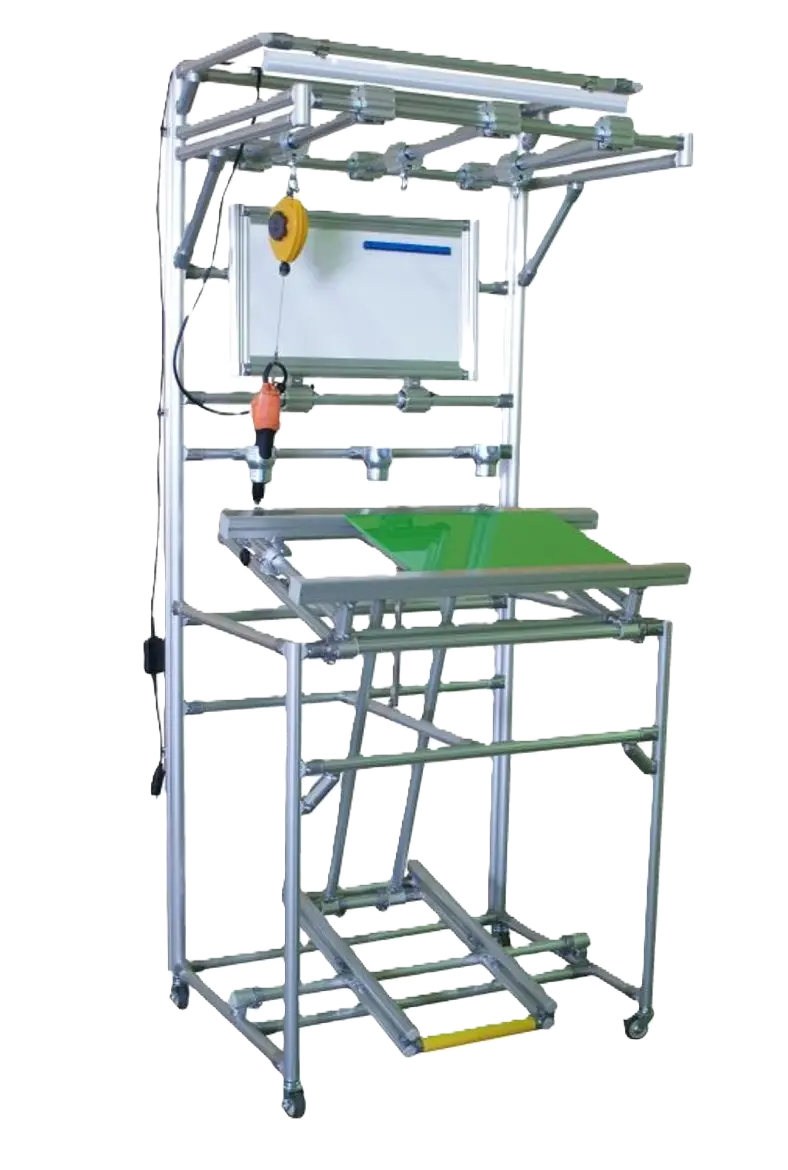
  • Aluminium Work Station by our Aluminium Pipe Racking System

    How to Select the Best Industrial Work Surface for Workstations and Modular Structures

  • Poka-Yoke Usage and Its Application to Error-Free Product Assembly.
  • 7-Step Gemba Walk to Reduce Manufacturing Waste

  • HAPPY CHINESE NEW YEAR

Scroll to Top
Gemba Walk in Manufacturing: Improve Shop Floor Efficiency - TMEH Group Of Companies
Home » News Page » News » Gemba Walk in Manufacturing: Improve Shop Floor Efficiency
Gemba Walk shop floor observation in manufacturing

What is a Gemba Walk and How It Improves Shop Floor?

A Gemba Walk is a key practice in lean manufacturing and continuous improvement. The word “Gemba” means the real place, referring to the shop floor where work actually happens.

Instead of relying on reports or assumptions, Gemba Walks encourage leaders to:

  • Observe processes directly
  • Understand real challenges
  • Identify opportunities for improvement

Manufacturers use Gemba Walks to streamline workflow, minimize errors, and foster a culture of continuous improvement making sure every process is seen, understood, and improved where it matters most.

Why Gemba Walk is Important?

Gemba Walks help bridge the gap between management and shop-floor operations. When leaders spend time at the workplace, they gain a clearer understanding of how processes truly function. This leads to better decision-making, improved communication, and more practical solutions.

By observing work as it happens, organizations can identify inefficiencies such as unnecessary movement, waiting time, poor material flow, and safety risks that may not be visible from an office environment.


Key Steps to an Effective Gemba Walk

Prepare and Communicate with Your Team

Explain the purpose of the Gemba Walk clearly. Emphasize that it focuses on process improvement, not employee evaluation, to build trust and encourage open communication.

Identify the Process to Observe

Select one specific proces or workflow to observe. This helps gather accurate baseline data and keeps the walk focused.

Schedule the Walk

Plan the walk at a suitable time, often in the morning. Limit eah session to 30-45minutes to maintain effectivenss.

Observe the Process Carefully

Watch howwork is actually done without interrupting. Look for delays, waste, bottlenecks, and afety issues.

Document the Current State

Take notes and potos to capture current conditions. Documentation supports future analysis and improvement tracking.

Identify Opportunities for Improvement

Compare current partices with the ideal process. Start with simple improvements before addressing complex chnages.

Take Action and Follow Up

Implement improvements and review results regularly. Gmeba Walks should be repeated to support continuos improvement.

Why is it Works?

1. Increase Productivity
  • Identify bottlenecks and inefficiencies on the shop floor.
  • Ensure resources are used effectively, so teams can focus on high-value tasks
2. Reduce Waste
  • Spot unnecessary steps, overproduction, or idle time.
  • Encourage process improvements that save materials, time, and effort.
3. Improve Team Engagement
  • Involve staff in problem-solving and decision-making.
  • Foster collaboration and ownership of processes.
4. Enhance Safety and Compliance
  • Identify hazards or unsafe pratices.
  • Promote a safer, more organized work environment.
5. Align Teams Around Continuous Improvement
  • Create a shared understanding of challenges and goals.
  • Encourage a culture where improvement is ongoing, not occasional.

Applying Gemba Walk Insights to Real Solutions

At our company, we apply Gemba Walk principles to understand real shop-floor challenges before proposing solutions. These insights guide the design and implementation of pipe racking systems, custom fabrication, and polyboxes that improve material flow, space utilization, safety, and efficiency.

By observing how people perform their work, we ensure our solutions support daily operations and long-term continuous improvement..

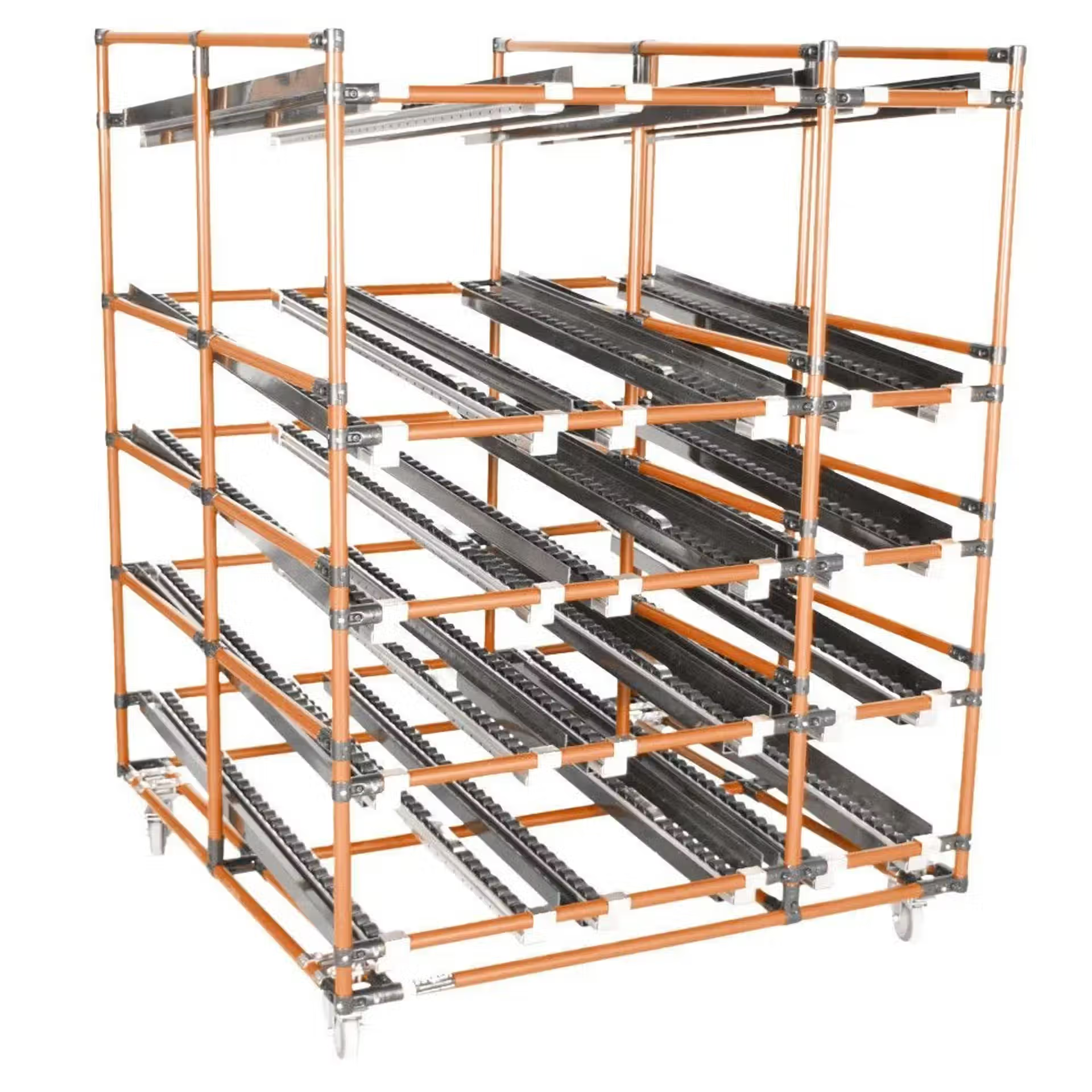
Flow Rack pipe racking system

Pipe Racking System Solutions

Pipe Racking System Design Based on Gemba Insights
• Identify excess material accumulation
• Reduce unnecessary operator movement
• Improve storage safety and stability
• Optimize material flow and floor space
• Support lean and FIFO-based operations


Custom Fabrication Solutions

• Operator movement and accessibility
• Ease of handling materials and components
• Handling inefficiencies during daily operations
• Bottlenecks that slow down production flow
• Fabricated solutions designed for actual usage conditions

TM Polybox Heavy Duty Industrial Packaging Solution

Polybox Solutions

Polyboxes Designed for Real Usage
• Observe stacking, movement, and storage conditions
• Assess weight distribution and handling frequency
• Consider shop-floor environmental exposure
• Improve durability, handling efficiency, and space utilization

Engineering Solutions

Engineering Insights from the Shop Floor
• Material flow and storage challenges
• Space constraints within the production area
• Safety risks related to layout and storage
• Layout efficiency and workflow optimization
• Engineering solutions based on real operational needs, not theoretical layouts

Conclusion

Gemba Walks reinforce the importance of understanding real shop floor conditions before making improvement decisions. By observing processes directly, organizations gain clearer insight into workflow challenges, safety risks, and inefficiencies that are often missed in reports or meetings. This approach supports continuous improvement by aligning solutions with actual operational needs.

Through Gemba-based observation, practical improvements can be made to material flow, space utilization, and workplace safety. Whether it involves engineering design, fabrication, pipe racking systems, or polyboxes, solutions developed from real observations are more effective, sustainable, and easier to implement.

Call To Action

If you are looking to improve your shop floor operations through practical, observation-based solutions, our team is ready to support you. Contact us to discuss pipe racking systems, custom fabrication, and polyboxes designed around real working conditions and continuous improvement principles.

  • Aluminium Work Station by our Aluminium Pipe Racking System

    How to Select the Best Industrial Work Surface for Workstations and Modular Structures

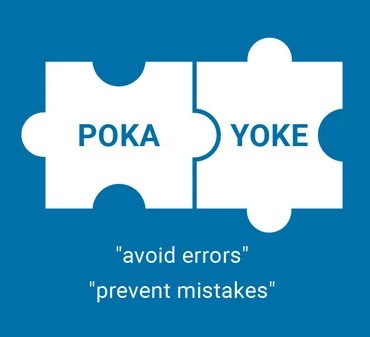
  • Poka-Yoke Usage and Its Application to Error-Free Product Assembly.
  • 7-Step Gemba Walk to Reduce Manufacturing Waste

  • HAPPY CHINESE NEW YEAR

Scroll to Top